
Why Reform Matters
Committed to reform
Illinois is known as the "wrongful conviction capital" of the nation, ranking #1 in wrongful convictions for the past five years. Systemic flaws — such as unreliable eyewitness identification processes, coercive interrogation practices, incentivized informant testimony and official misconduct — persist.
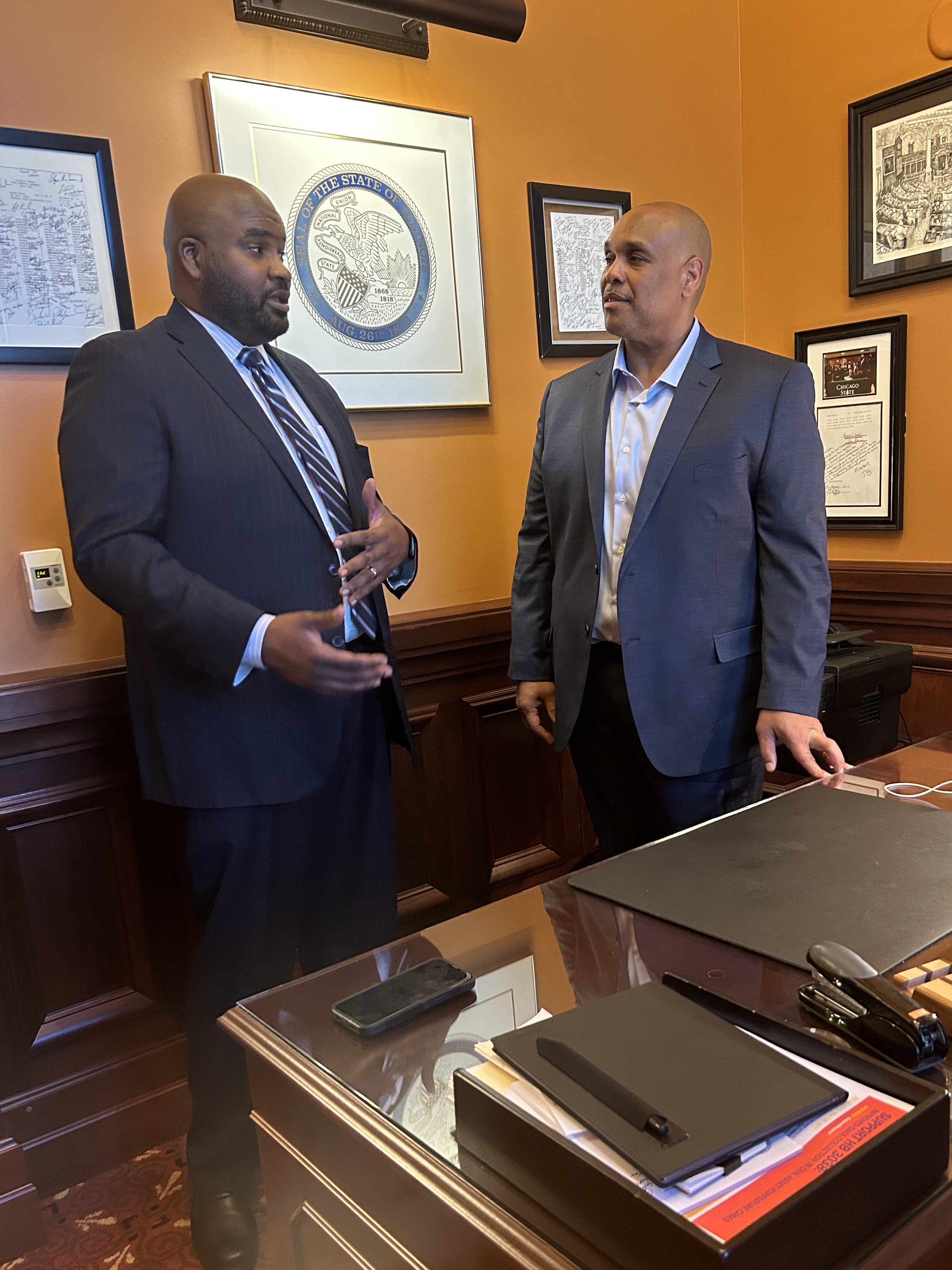
Our location in Springfield, the capital of Illinois, puts us right where we need to be to drive legislative and systemic change. We work bipartisanly with lawmakers, law enforcement and community stakeholders to propose and advocate for policies that prevent wrongful conviction.
How we work for system change
- Legislative Advocacy: We draft and champion bills addressing systemic issues, from reforming eyewitness identification procedures to regulating jailhouse informant testimony. Just as importantly, we oppose legislation that could undermine justice.
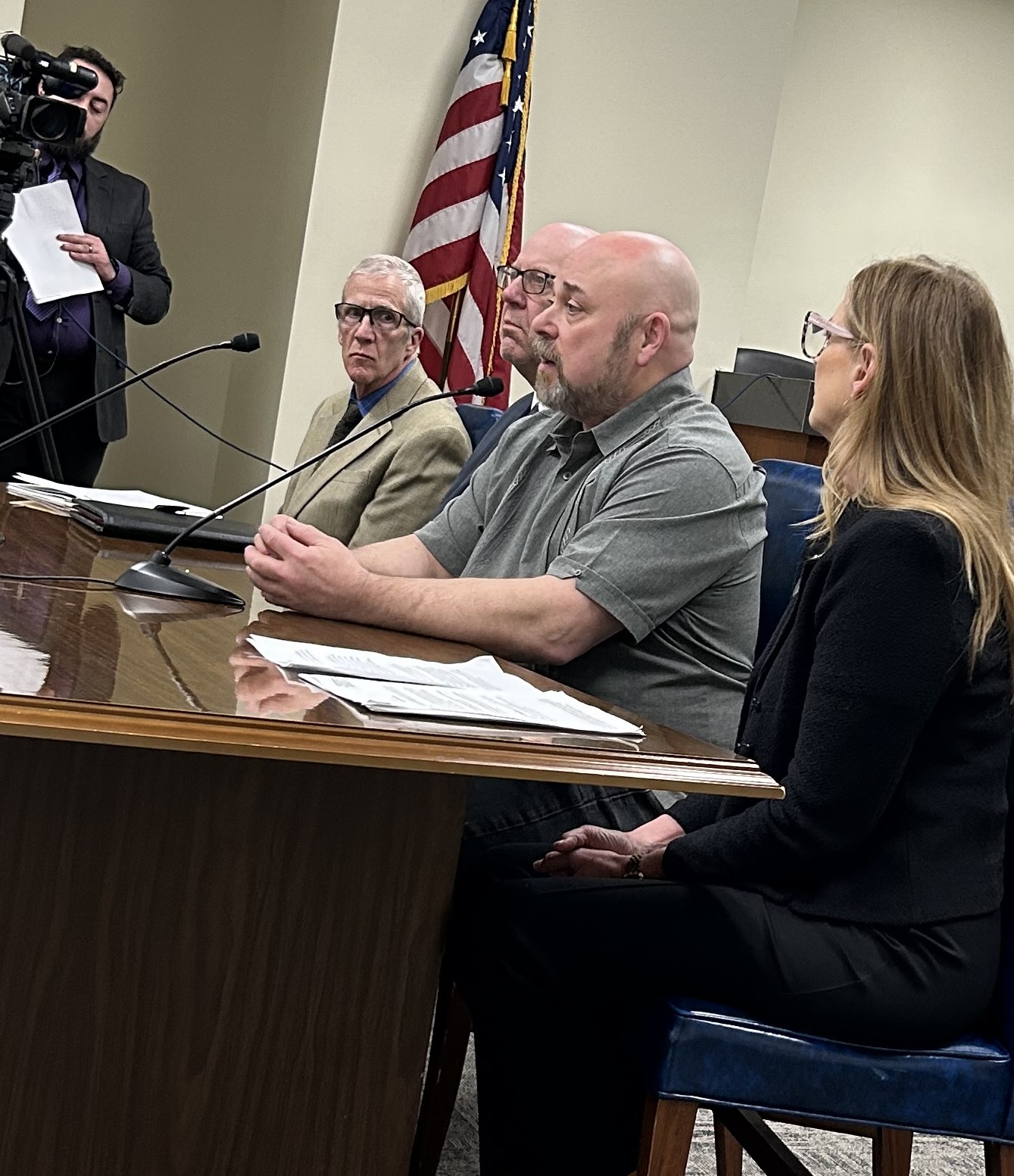
- Public Policy Engagement: We testify at hearings, hold press conferences and collaborate with advocacy groups to amplify our impact. We collaborate with exoneree leaders to ensure the voices of the freed/exonerated community are heard.
- Law Enforcement Training: Through our state-mandated Wrongful Conviction Awareness and Avoidance program, we train law enforcement to recognize factors that lead to wrongful conviction and best practices to avoid them.
Legislative Successes
- Exoneree Restitution (2026): The Illinois General Assembly – with full bipartisan support – unanimously passed our Exoneree Restitution Bill (HB3663), enabling the State Court of Claims to award an exoneree up to the federally recommended minimum standard of $50,000 for each year wrongfully spent in prison. In five of the last six years, Illinois has led the nation in number of exonerations, yet the state has paid exonerees among the nation’s lowest restitution level – an average of $11,190 per year of wrongful imprisonment. Adding insult to injury, total Illinois restitution is capped so the longer an innocent person was wrongfully imprisoned the less compensation per year they receive. HB3663 removes that cap. IIP has spearheaded various iterations of an exoneree restitution bill since 2020. During the past four years, a team of exonerees, volunteers, legislators and IIP staff came together to move this legislation over the finish line. The bill awaits Governor JB Pritzker’s signature.
- Juvenile Deception Reform (2021): We successfully advocated for a ban on the use of deceptive tactics during interrogation of juveniles, protecting young people from confessing to crimes they did not commit. Watch Illinois exoneree Terrill Swift’s powerful story in our video, produced by Storyteller Studios, which highlights the impact of coercive tactics.
- Jailhouse Informant Reform (2018): We championed legislation requiring greater scrutiny of jailhouse informant testimony, reducing reliance on incentivized and often unreliable witnesses.
- Eyewitness ID Reform (2015): Our efforts led to statewide standards for lineup procedures, improving accuracy and reducing misidentifications, a leading cause of wrongful convictions.
Apply for Assistance
All cases for consideration should print and complete this form for English or this form for Spanish (PDF) and mail it to:
Illinois Innocence Project
University of Illinois Springfield
One University Plaza, PAC 429
Springfield, IL 62703
No other documents should be submitted for initial review.